Top 10 Challenges Faced by Healthcare Recruiters in the U.S.
In 2025, healthcare recruitment in the U.S. remains one of the most demanding roles in the talent landscape. With mounting labor shortages, regulatory complexities, and shifting workforce expectations, healthcare recruiters are balancing more priorities than ever before. These challenges not only delay hiring but also impact patient care and organizational performance.
Here are the top 10 challenges faced by healthcare recruiters today, supported by recent data and insights from VIVA USA’s internal research and staffing reports.
1. Severe Talent Shortages
The U.S. healthcare sector is experiencing an acute supply-demand imbalance.
- According to the Bureau of Labor Statistics, the United States is projected to add over 1.9 million new healthcare jobs by 2031, many of which are already difficult to fill.
- Nurse vacancies remain elevated, with average turnover exceeding 22% nationally.
- Allied health professionals and behavioral health workers are also in critically short supply.
2. Long Time-to-Fill for Key Roles
According to VIVA USA’s research:
- Average time-to-fill for most medical roles is 49 days, far higher than other industries.
- For physicians and advanced practice providers, time-to-fill exceeds 125 days in many markets.
“Every additional day a critical role remains vacant increases burnout risks and financial losses for healthcare systems.”
3. High Turnover and Retention Pressures
Hiring is only half the battle. Retention has become equally challenging:
- Burnout continues to drive resignations across nursing and support roles.
- Younger professionals prefer short-term contracts and remote flexibility.
Many recruiters report candidates accepting offers only to leave within 6–12 months due to poor onboarding or lack of engagement.
4. Credentialing and Compliance Delays
Recruiters often face weeks of delays due to:
- State-specific licensure and background checks
- Primary source verification
- Hospital credentialing committee approvals
These steps are essential but significantly slow down the ability to onboard quickly.
5. Candidate Drop-Offs and Ghosting
From application to final offer, many candidates disappear midway due to:
- Lengthy interview cycles
- Better competing offers
- Burnout from job search fatigue
AI tools and candidate nurturing campaigns are becoming essential to reduce fall-off rates.
6. Rural and Underserved Area Recruiting Gaps
Recruiters working with rural or public health systems often struggle to attract talent due to:
- Geographic isolation
- Limited housing and education options
- Lower compensation ranges
“Contingent staffing has become an essential bridge for facilities in underserved areas that otherwise would go dark without backup.” — The Rise of Flexible and Contingent Healthcare Staffing Models
7. Inflexible Compensation and Benefit Packages
Competitive hiring often comes down to who can offer the most attractive package—quickly. But recruiters face hurdles when:
- Pay rates are locked by outdated budget models
- Benefits lack flexibility or mental health support
- Incentives like sign-on bonuses or relocation aren’t available
8. Inefficient Recruitment Technology
Many healthcare systems still use outdated applicant tracking systems (ATS), leading to:
- Missed follow-ups with qualified candidates
- Lack of real-time pipeline visibility
- No automation in resume screening or credential checking
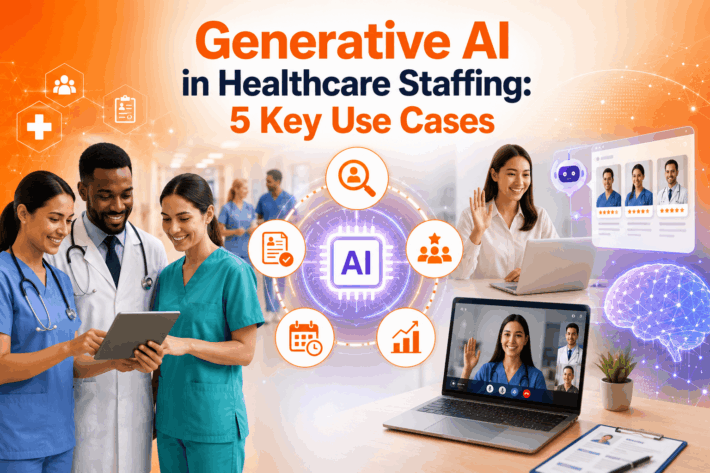
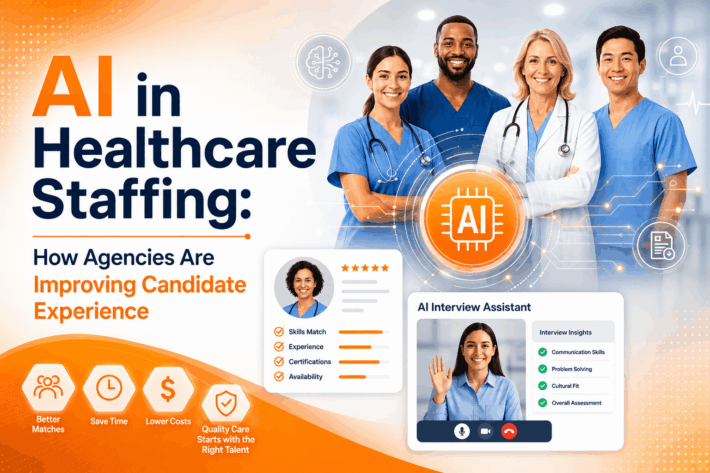
Modern platforms with AI integration, like those highlighted by VIVA USA, can cut time-to-fill significantly and reduce recruiter workload.
9. Lack of Employer Branding and Visibility
Healthcare organizations that don’t market their values, culture, and growth opportunities face:
- Low visibility on job boards
- Passive candidates opting for well-known systems or travel agencies
- Difficulty building trust with millennial and Gen Z applicants
10. Mismatch Between Job Descriptions and Reality
Vague or unrealistic job postings often deter great candidates. Issues include:
- Requiring excessive experience for entry-level roles
- Not mentioning shift flexibility, hybrid options, or growth paths
- Posting outdated salary bands or generic responsibilities
How VIVA USA Helps Solve These Challenges
At VIVA USA, we specialize in healthcare staffing solutions that meet today’s recruiting challenges head-on:
- AI-powered sourcing and automation to reduce time-to-fill
- Pre-credentialed candidate pools for faster onboarding
- Contingent, per diem, and MSP models to scale quickly
- Dedicated recruiters focused on specialty verticals like nursing, allied health, and healthcare IT
Need help navigating the complexities of healthcare recruitment? Contact us to find out how we can support your hiring goals.
Conclusion
The U.S. healthcare system faces an urgent and complex workforce crisis—and recruiters are on the front lines. From talent shortages and lengthy hiring cycles to credentialing delays and evolving candidate expectations, the barriers to successful recruitment are substantial. However, by embracing innovative staffing models, investing in modern recruiting technology, and partnering with experts like VIVA USA, organizations can overcome these challenges.
As competition for top healthcare talent intensifies, the organizations that act with speed, strategy, and adaptability will be best positioned to build resilient and future-ready workforces.