The State of Healthcare Staffing in 2025: Trends, Challenges, and Innovative Workforce Solutions
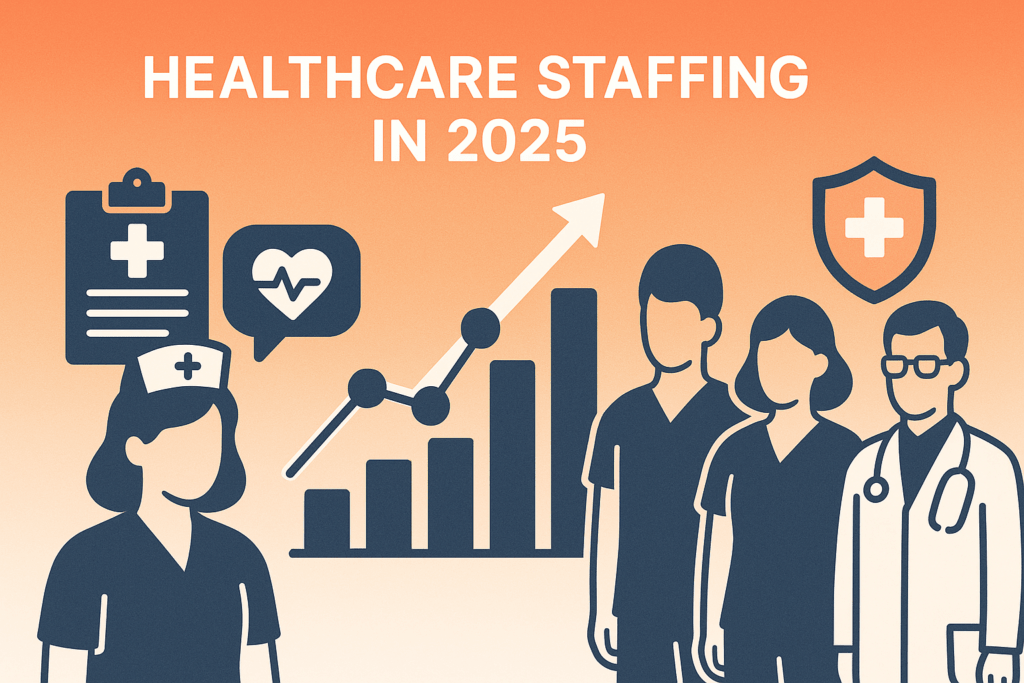
The state of healthcare staffing in 2025 is characterized by a critical imbalance: surging patient demand against a shrinking and exhausted clinical workforce. This environment requires healthcare organizations to pivot from reactive hiring to proactive, technology-driven workforce strategies focusing on retaining current healthcare workers and streamlining the pipeline for new talent, particularly to alleviate the severe nurse staffing shortage.
Key Takeaways: The Healthcare Staffing Crisis at a Glance
The most pressing challenge facing healthcare in 2025 is the persistent, costly, and widespread shortage of skilled healthcare employment professionals.
- Market Growth: The global healthcare staffing market is projected to be valued at $45.75 billion in 2025, according to Coherent Market Insights, 2025.
- Technology Adoption: 85% of healthcare leaders were testing or using generative AI (Artificial Intelligence) as of Q4 2024, signaling a rapid shift towards technology-driven workforce solutions, as reported by McKinsey, 2025.
- Long-Term Impact: The World Health Organization (WHO) estimates a global shortage of 5.9 million nurses.
Major Trends Shaping Healthcare Staffing in 2025
Several interconnected trends are redefining how healthcare organizations approach workforce planning and healthcare employment. These changes are driving a greater reliance on flexible staffing models and advanced technology.
1. The Persistent Nurse Staffing Shortage and Burnout Epidemic
The nurse staffing crisis is no longer a temporary fluctuation but a structural deficiency exacerbated by the pandemic. The primary drivers are an aging nursing population retiring early and high levels of stress and burnout among younger staff.
- Nurse Attrition: According to the National Council of State Boards of Nursing (NCSBN), 2024, more than 138,000 nurses left the workforce between 2022 and 2024. By 2029, almost 40% of nurses intend to leave the workforce, further reinforcing labor shortage concerns.
- The Travel Nurse Reliance: The use of travel nurse staffing continues to be a dominant trend. This segment is projected to lead the global healthcare staffing market, holding a 31.5% share in 2025, as per Coherent Market Insights, 2025. While essential for immediate coverage, this reliance strains operating margins and indicates a deeper failure in retention strategies for permanent healthcare workers.
2. The Rise of Technology and AI in Healthcare Employment
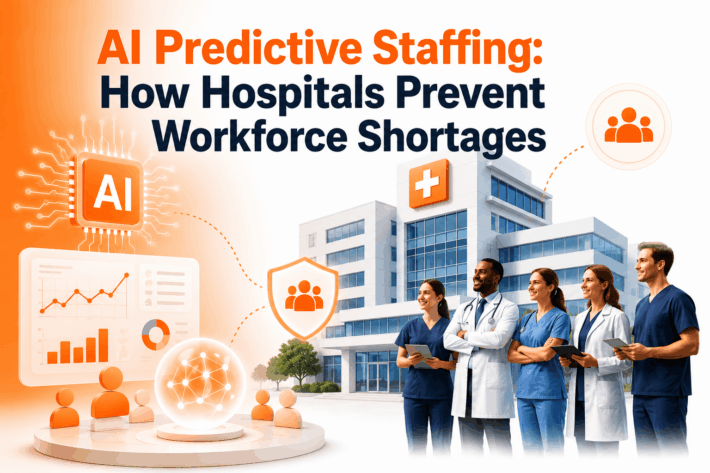
Technology has moved from a back-office utility to a front-line strategic asset in healthcare staffing. The use of Artificial Intelligence (AI) and data analytics is revolutionizing both recruitment and clinical operations.
- AI-Driven Recruitment: Healthcare organizations are adopting AI to accelerate administrative tasks. This includes using generative AI to streamline everything from writing job descriptions to automating credentialing and compliance checks, which traditionally consumed significant recruiter time.
- Data-Driven Workforce Planning: Advanced data platforms provide real-time insights into staffing metrics, allowing leaders to move away from reactive scheduling. This enables proactive talent allocation based on forecasted patient volumes, helping to control contract labor costs and stabilize core staffing.
3. Locum Tenens and Allied Health Staffing as a Core Strategy
Locum tenens (temporary physician staffing) and allied health staffing are transitioning from temporary gap-fillers to an essential, long-term component of the modern workforce model.
- Structural Workforce Component: The global revenue for locum tenens reached $10.22 billion in 2025, according to Precedence Research, 2025. This trend shows that temporary physicians and specialized allied staff are filling endemic specialist shortages, especially in rural and underserved care settings.
- Allied Health Demand: Demand for specialized allied health professionals, such as respiratory therapists, imaging technologists, and physical therapists, is growing exponentially. The Bureau of Labor Statistics (BLS) projects 1.9 million openings.
Challenges to Achieving Sustainable Healthcare Staffing
While trends point toward technological solutions, health systems continue to grapple with fundamental challenges that prevent a stable, sustainable healthcare workforce.
What are the main challenges in healthcare staffing in 2025?
The main challenges in healthcare staffing in 2025 are clinical burnout and attrition, an inability to expand the education pipeline quickly enough, escalating labor costs due to contract usage, and administrative inefficiencies that pull skilled healthcare workers away from patient care.
1. Exacerbated Clinical Burnout and Attrition
High workloads, insufficient administrative support, and emotional fatigue remain the leading causes of staff departure.
- Burnout Rates: As noted in the Deloitte 2023 Global Health Care Outlook, a high percentage of front-line healthcare workers reported burnout, with the highest rate among the youngest staff. This chronic stress creates a vicious cycle: staff leave, the remaining staff face higher workloads, and more staff subsequently burn out.
- Administrative Burden: A significant portion of a clinician’s time is still devoted to non-value-added tasks like charting and documentation. This inability to practice at the top of their license is a major factor in job dissatisfaction and the decision to leave patient-facing roles.
2. Rising Cost of Labor and Financial Strain
The increased reliance on temporary and contract labor, driven by the scarcity of permanent healthcare employment candidates, is severely impacting hospital finances.
- Contract Labor Costs: The high cost of travel nurses and locum tenens is draining hospital operating margins. These costs average 150% of the cost of a full-time, salaried employee, creating budgetary instability (Based on AHA and NSI Nursing Solutions reporting).
- Wage Inflation: Competition for the limited pool of available healthcare workers has led to wage inflation across the board. Health systems must balance competitive compensation to attract talent with the need to maintain financial viability.
3. The Slow Pipeline for New Healthcare Workers
Despite the clear and urgent need for more healthcare employment professionals, the pipeline from education to practice is constricted.
- Faculty Shortages: Nursing and medical schools often turn away qualified applicants not due to a lack of interest, but because of a shortage of qualified faculty and limited clinical training sites.
- Time to Credentialing: The administrative process of licensing and credentialing is often slow and bureaucratic. This delay means qualified clinicians are waiting on the sidelines while patient care needs go unmet.
Solutions for a Sustainable Healthcare Workforce
Addressing the complex challenges in healthcare staffing requires a multifaceted strategy that encompasses technological innovation, cultural transformation, and targeted investments in the talent pipeline.
1. Leveraging Technology to Optimize the Clinical Workforce
Technology provides the most immediate opportunities to stabilize the current workforce and improve efficiency.
| Strategy | Description | Optimization Focus |
|---|---|---|
| AI-Powered Workflows | Implementing AI for automatic documentation (Ambient Clinical Voice) and automated credentialing/compliance to remove low-value tasks from nurses and physicians. | Reduces administrative burden for nurses. |
| Internal Resource Pool (IRP) Technology | Utilizing dedicated technology platforms to create and manage an internal pool of flexible staff (float pool), reducing the need for costly external contract labor. | Decreases reliance on costly travel nurse staffing. |
| Telehealth and Virtual Care Models | Deploying virtual nurses and remote monitoring to manage tasks like admissions, discharges, and patient triage, allowing on-site healthcare workers to focus on direct patient care. | Shifts non-physical tasks away from hospital staff. |
2. Enhancing Retention and the Work Environment
The most cost-effective solution is retaining existing, experienced healthcare workers. This requires a fundamental redesign of the workplace experience.
- Flexible Scheduling and Shared Governance: Offering enhanced flexibility in scheduling, including different shift lengths and part-time options. Implementing shared governance models allows nursing staff to have input on scheduling and operational decisions, which builds engagement and trust.
- Non-Monetary Incentives and Support: Investing in comprehensive mental health support, subsidized childcare, and leadership training that focuses on emotional intelligence and burnout recognition. Creating a great workplace is a major factor in attracting and keeping millennial and Gen Z talent.
- Practice-to-License Optimization: Using team-based care models where registered nurses, licensed practical nurses, and assistants operate at the top of their license. This ensures highly skilled staff perform complex clinical tasks while delegating administrative or lower-acuity tasks to support personnel.
3. Building the Talent Pipeline for Future Healthcare Employment
Long-term solutions require aggressive investment in education, recruitment, and streamlined pathways for new healthcare workers.
What are the long-term solutions for the healthcare worker shortage?
The long-term solutions for the healthcare worker shortage include expanding medical and nursing school capacity by funding faculty and training sites, expediting the licensing process for foreign-trained professionals, and creating public-private partnerships to offer scholarships and training incentives for high-demand areas like mental health and rural care.
- Academic-Provider Partnerships: Health systems can partner with local universities to fund nursing faculty, provide clinical training sites, and offer tuition reimbursement programs in exchange for a service commitment from new graduates.
- Expedited Pathways for Foreign-Trained Professionals: Easing immigration rules and streamlining the process for international healthcare workers to gain licensure in the United States helps expand the talent pool rapidly to meet the immediate demands for nurse staffing and specialized roles.
Conclusion
The state of healthcare staffing in 2025 presents a pivotal moment for the industry. The challenges of nurse staffing shortages, burnout, and rising costs are immense, but they are met with equally powerful solutions driven by technology and a renewed focus on the healthcare worker experience. Embracing AI-driven efficiency, flexible work models, and aggressive pipeline development is essential for transitioning to a sustainable, resilient model of healthcare employment. Reactive hiring is dead; proactive workforce optimization is the future. Don’t let the healthcare staffing crisis compromise patient care or your bottom line. A strategic partner is essential for navigating the complex landscape of contract labor, permanent placement, and technology integration.
Contact VIVA USA today to discuss custom, data-driven staffing solutions that address your immediate needs for nurse staffing and build a robust, sustainable healthcare workforce for the future.