
The Cybersecurity Talent Cliff: Navigating the 4.8 Million Professional Gap in 2026
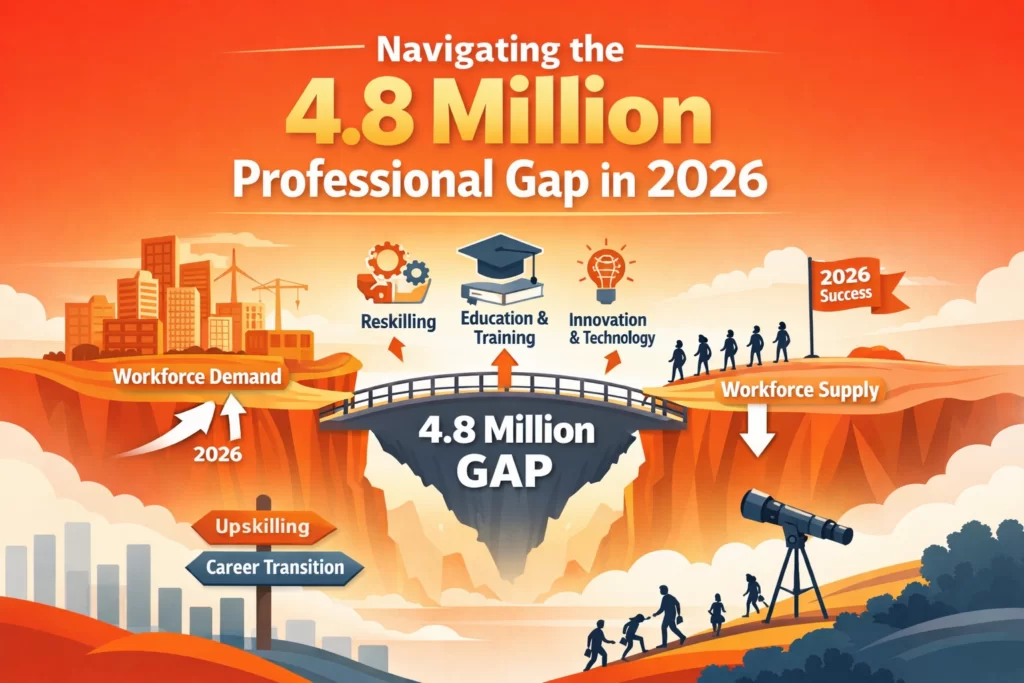
The cybersecurity talent gap 2026 is a growing global crisis with an estimated 4.8 million unfilled roles in cybersecurity. This cybersecurity workforce shortage and cybersecurity skills shortage threaten digital safety worldwide. Understanding the scale, its causes, and solutions is crucial for leaders, HR teams, and cybersecurity professionals looking to secure their organizations and build sustainable teams.
Quick Facts About the Cybersecurity Talent Gap
- According to ISC2, the global cybersecurity workforce gap reached 4.8 million professionals in 2024.
- The global cybersecurity workforce stalled at 5.5 million active professionals despite rising demand.
- ISACA and ISC2 data indicate that 90% of cybersecurity teams report skills gaps beyond just staffing shortages.
- Nearly four million cybersecurity roles were unfilled globally in 2025, underscoring the persistent shortage.
- Only 15% of firms expect significant cyber skills growth by 2026, per World Economic Forum findings.
What Is the Cybersecurity Talent Gap 2026?
Cybersecurity talent gap 2026 refers to the widening chasm between the number of cybersecurity professionals needed and the number available. This gap includes open roles organizations cannot fill and skills shortages among existing cybersecurity teams, hampering defense efforts and increasing exposure to risks.
The cybersecurity talent gap is the global shortfall of skilled cybersecurity professionals needed to defend digital assets. By 2026, this shortage is projected to remain severe, with millions of unfilled jobs and significant skills mismatches across critical domains like cloud security, AI defense, and incident response.
Why the Cybersecurity Workforce Shortage Exists
Rapid Digital Transformation Outpaces Talent Supply
The pace of digital adoption across industries has dramatically increased cybersecurity workloads. Advanced technologies like AI, cloud computing, Internet of Things, and hybrid work environments have expanded the attack surface faster than organizations can train or hire qualified professionals.
Key Contributors
- Increased cyber threats and advanced attack techniques
- Greater reliance on connected devices
- Emergence of cloud-native architectures
Skills Shortages Compound the Problem
Beyond unfilled headcount, there is a cybersecurity skills shortage meaning even staffed teams lack necessary expertise. ISACA and ISC2 found that 90% of cybersecurity teams report skills gaps, especially in AI and cloud security.
Economic and Organizational Pressures
According to ISC2, budget cuts and hiring freezes have slowed workforce growth, making it harder to attract and retain talent.
Impact Summary
- Hiring freezes reduce fresh talent entry
- Budget constraints limit training investment
- Layoffs and reduced promotions decrease retention
The Cost of the Cybersecurity Talent Gap
The cybersecurity workforce shortage increases business risk, drives up breach costs, slows innovation, and weakens national defense postures.
Business and Operational Impact
- Increased breach likelihood: Fewer security professionals mean slower detection and response times.
- Higher costs: Cyber incidents often cost organizations millions in direct and indirect damages.
- Market competitiveness: Organizations with severe shortages may struggle with compliance and trust.
Long-Term Effects on the Cybersecurity Industry
Slowing Workforce Growth
Despite growing demand, cybersecurity workforce growth has nearly stalled. The global workforce expanded by only 0.1% year-over-year, demonstrating how difficult it is to bridge the gap with current workforce pipelines.
Barrier to Entry for New Professionals
Traditional cybersecurity pathways often require extensive education, certifications, and experience. This has discouraged many candidates and slowed the influx of new talent.
Regional Disparities
Regions like Asia-Pacific and North America report varying degrees of talent shortages, with some sectors experiencing a 30–50% supply gap in specialized roles such as cloud security and architecture.
Strategies to Close the Cybersecurity Skills Shortage
Strengthening Educational Pipelines
Organizations and governments must partner with academic institutions to enhance cybersecurity curriculum and practical training. This creates a more robust talent pipeline capable of addressing modern threats.
Examples
- Including real-world labs in degree programs
- Offering micro-credentials for emerging skills
Upskilling and Reskilling Existing Staff
Internal training programs focused on critical areas like cloud security, AI threat detection, network forensics, and incident management can transform existing IT professionals into cybersecurity experts.
Benefits
- Reduced reliance on external hiring
- Improved retention and career progression
Expanding Career Pathways
Providing clear entry-level roles and advancement ladders helps attract diverse talent, including professionals transitioning from related fields like software development or IT support.
Strategic Outsourcing and MSP Partnerships
Many organizations turn to managed security service providers or contingent cybersecurity staffing models to fill immediate needs while their internal talent pipelines mature.
Advantages
- Access to specialized skills quickly
- Scalability during demand surges
Comparison Table: Hiring vs. Upskilling for Cybersecurity Teams
| Strategy | Time to Value | Cost | Scalability | Risk Reduction |
|---|---|---|---|---|
| Hiring New Talent | Moderate to Long | High | Limited by the market | Moderate |
| Upskilling Internal Staff | Short to Moderate | Moderate | High | High |
| Outsourcing / MSP | Immediate | Variable | High | Moderate to High |
Common Questions About the Cybersecurity Talent Gap
What drives the cybersecurity workforce shortage?
The shortage is driven by ever-increasing digital threats, rapid tech adoption, limited educational pipelines, budget and hiring pressures, and mismatches between job requirements and available skills.
What are the most in-demand cybersecurity skills?
Cloud security, AI and machine learning defense, zero trust architecture, digital forensics, and incident response are among the top skills organizations cannot fill.
How soon can the cybersecurity talent gap be reduced?
Closing the gap requires multi-year investment in education, hiring practices, and workforce development. Short-term gains are possible, but a sustainable solution involves broader industry and government collaboration.
Case Studies: Tackling the Talent Gap
Example 1: Company Upskilling Program
In a Fortune 500 organization, targeted upskilling in cloud security and AI defense reduced time to fill cybersecurity roles by 40 percent and increased team retention by 30 percent within one year.
Key takeaway
Focusing on internal career mobility and targeted training effectively mitigates skills shortages.
Example 2: Academic Partnership
A midsize technology firm partnered with a university to create a cybersecurity bootcamp, leading to a steady pipeline of entry-level hires. This collaboration filled key roles and created advanced internship opportunities.
Key takeaway
Industry-academic partnerships strengthen long-term workforce readiness.
Conclusion
The cybersecurity talent gap 2026 represents one of the most significant challenges facing digital defenders today. With an estimated 4.8 million roles unfilled and persistent cybersecurity skills shortages, organizations face elevated risk and operational strain. Addressing this gap demands strategic investment in education, training, partnerships, and talent development programs.
If your organization is struggling to fill cybersecurity roles or faces a cybersecurity workforce shortage, contact VIVA USA for expert staffing and contingent workforce solutions tailored to your needs. Let us help you secure the talent your organization needs today.