The Challenges of Staffing Allied Health Roles in Underserved Areas
Staffing allied health roles in underserved areas presents a complex set of challenges. Chief among them are a thin talent pipeline, geographic maldistribution, and retention issues. For healthcare staffing, clinical staffing, and healthcare recruitment professionals, recognizing these barriers is the first step toward designing effective, scalable solutions.
What Are Allied Health Roles in Underserved Areas?
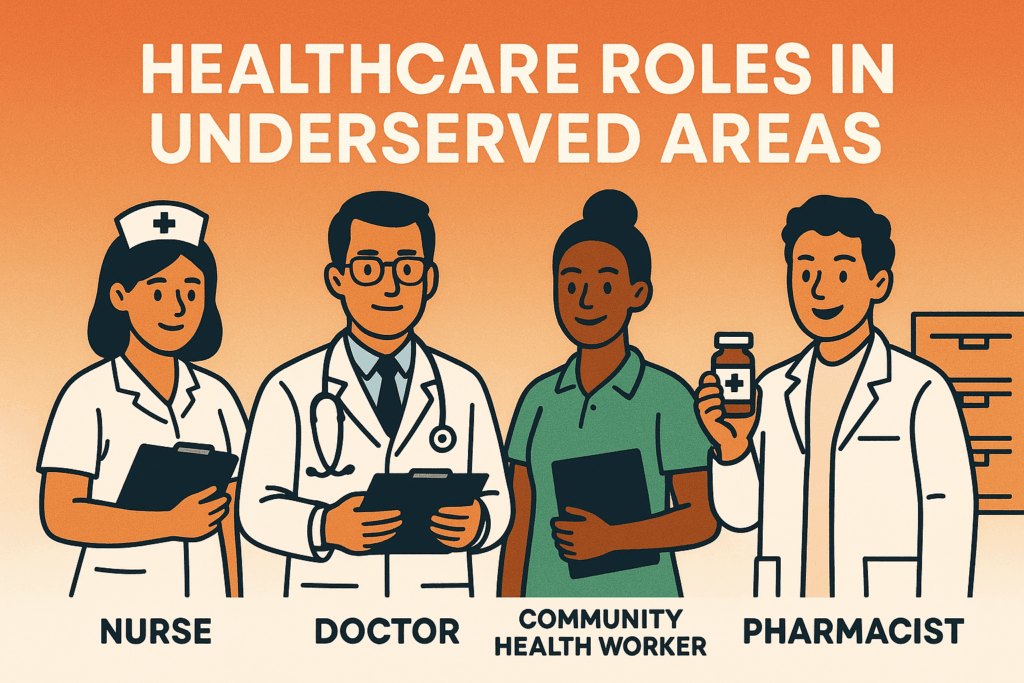
An allied health role refers to a professional who supports diagnosis, treatment, and rehabilitation of patients outside of medicine, nursing, and dentistry. In underserved (often rural or low-resource) areas, these roles such as respiratory therapists, radiologic technologists, physical and occupational therapists, and medical laboratory technologists are critical components of the care team.
Key Statistics Highlighting the Scope of the Challenge
- According to the National Center for Health Workforce Analysis (NCHWA) in 2024, across U.S. non-metro areas there is a projected shortage of 13% of RNs and an even steeper projected shortage for allied health professions by 2037.
- The National Rural Health Association policy brief reveals that over 50% of rural physicians are aged 50+ and rural facilities face greater recruitment and retention barriers.
- Over 100 million Americans live in a Health Professional Shortage Area (HPSA) designation as of March 2024.
Why Staffing Allied Health Roles in Underserved Areas Is So Difficult
Geographic Maldistribution and Low Workforce Density
Staffing allied health roles in underserved areas is hindered by the fact that providers are unevenly distributed, with many living and practicing in urban hubs rather than rural or remote communities.
- Roughly 20% of the U.S. population lives in rural areas, but only about 10% of physicians practice there. Allied health roles face similar maldistribution.
- Non-metro (rural) areas are projected to experience much greater shortages by 2037 than metro areas, such as a projected 46% shortage of dentists in non-metro areas.
Implication for recruitment: Recruitment pipelines must either bring in external talent, which is harder, or build local “grow-your-own” pipelines, which take time.
Educational Pipeline and Training Barriers
Training and education are foundational, but underserved areas often lack access to allied health education, limiting the local supply of talent.
- The NCHWA 2024 report underscores concerns about future allied health supply due to limited pipeline data.
- Rural schools often lack advanced STEM coursework, mentorship, or exposure to allied health careers, reducing interest and readiness.
Recruitment insight: Building local pipeline programs such as scholarships, internships, and shadowing is critical to long-term staffing success in underserved areas.
Recruitment and Retention Difficulties
Even when roles are filled, retention of allied health professionals in underserved areas remains a major challenge.
- Non-institutional factors such as community infrastructure, social context, education access, and built environment strongly influence whether professionals stay.
- Incentive programs such as loan forgiveness and relocation bonuses help but often struggle with tracking long-term retention outcomes.
- Burnout, high workloads due to thin staffing, professional isolation, and limited career advancement opportunities further reduce retention.
Recommendation for staffing firms: Retention strategies should go beyond salary and include community integration, mentorship, flexible scheduling, and career progression.
Scope of Practice, Credentialing and Compensation Constraints
Allied health professionals in underserved settings often face scope-of-practice limitations, credentialing hurdles, and comparatively lower compensation, which makes recruitment harder.
- Lower compensation and fewer benefits in remote areas reduce competitiveness compared to urban centers.
- Credentialing, licensing reciprocity, and transportation or logistical burdens also hamper deployment.
Financial and Operational Strain on Underserved Facilities
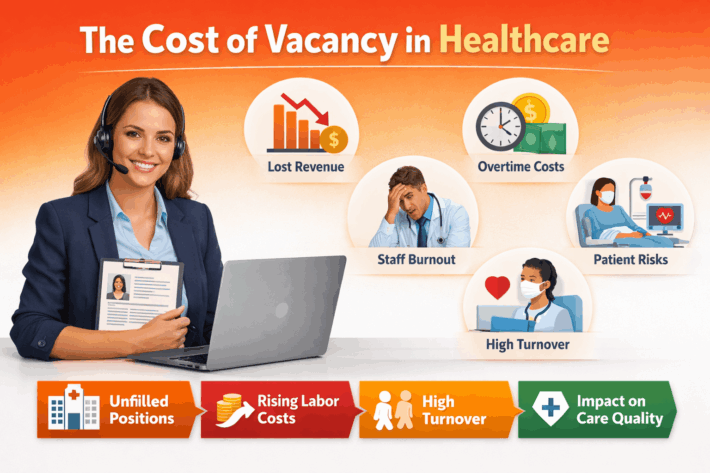
Facilities in underserved areas, such as community clinics and rural hospitals, often operate under tight financial margins. This makes flexible hiring, travel staffing, and competitive pay challenging.
- Staffing demand in allied health is influenced by cost pressures and bill rate fluctuations.
- Operational staffing shortfalls delay care delivery and raise readmissions, further straining budgets.
Case Study: A Staffing Challenge in Action
Consider a rural community health center in a medically underserved area. They need to fill a respiratory therapist and a radiologic technologist role. They face:
- No local training institution within 50 miles producing allied health graduates
- Compensation offers that are lower than urban alternatives and limited benefit packages
- Candidates who leave within 12 to 18 months due to professional isolation and limited advancement
- Burnout among remaining staff covering multiple roles, which increases turnover risk and reduces care quality
- Cost pressures that force reliance on agency or temporary staff at a premium rate
This scenario illustrates the intersecting staffing, educational, retention, and financial pressures unique to allied health in underserved settings.
Solutions and Best Practices for Allied Health Staffing in Underserved Areas
Build Local Pipelines
- Partner with local high schools and community colleges to raise awareness of allied health careers
- Provide scholarships, stipends, and guaranteed placements in underserved-area facilities
- Create “grow-your-own” initiatives by recruiting and training local residents
- Host rotational externships for students in underserved facilities to increase exposure and interest
Flexible Recruitment and Placement Models
- Use flexible staffing models such as project-based hiring or contingent staffing to fill short-term needs while building long-term capacity
- Offer remote or hybrid allied health roles where feasible, such as teleradiology or telespeech therapy
- Highlight lifestyle and community benefits such as lower cost of living and meaningful work in recruitment messaging
Retention-Focused Strategies
- Offer mentoring, peer networks, and professional development tailored to rural or underserved settings
- Provide relocation and sign-on bonuses, loan repayment programs, and continuing education allowances
- Foster community integration through housing support, spousal job assistance, and recognition programs
- Track turnover data and use exit interviews to address retention issues early
Operational and Financial Support
- Access state and federal incentives targeting underserved-area staffing, including loan forgiveness and scholarships
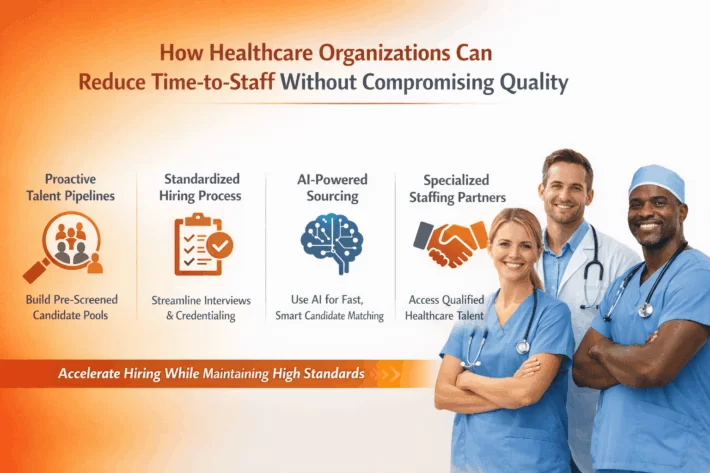
- Use contingent staffing providers with experience in underserved settings to reduce time-to-fill and cost per hire
- Ensure compensation is competitive and sustainable despite budget limits
- Apply workforce-planning analytics to project allied health needs 3–5 years ahead
Quick Facts / Key Takeaways
- Allied health professionals make up nearly 60% of the U.S. healthcare workforce, but many rural counties lack training programs
- Non-metro areas face far greater shortage projections compared with metro areas, up to a 46% shortage of dental professionals by 2037
- Key barriers include geographic maldistribution, limited training pipeline, recruitment and retention issues, scope-of-practice and compensation constraints, and financial stress on facilities
- Strategic solutions include local pipeline development, flexible staffing, retention programs, and operational support for underserved facilities
- For healthcare staffing, clinical staffing, and healthcare recruitment firms, partnering with underserved facilities offers both social impact and a strong market opportunity
Conclusion
Staffing allied health roles in underserved areas is challenging but critically important. Talent scarcity, uneven distribution, retention difficulties, and financial constraints make these roles some of the hardest to fill. With smart strategies such as building local pipelines, offering flexible recruitment, prioritizing retention, and aligning operational support, staffing firms can make a real difference.
If your organization is seeking to scale contingent hiring, MSP services, or project-based staffing across IT, healthcare, engineering, and government sectors, especially for allied health roles in underserved settings, contact VIVA USA Inc. Our flexible hiring models and AI-powered sourcing help you connect top talent quickly, reduce time-to-fill, and ensure your team can deliver high-quality care where it is needed most.