Tips for a Successful Job Interview in 2025
It’s 2025, and the world of job interviews has transformed more in the past five years than in the previous two decades. The rise of artificial intelligence, automation, and remote collaboration tools has changed how employers identify and assess talent. Companies can now screen hundreds of candidates within hours, and interviews often happen through multiple formats such as phone calls, virtual meetings, or in-person sessions.
While this new environment can feel overwhelming, it also offers more opportunities for prepared candidates to stand out. Whether you are applying for a corporate position, a contract role, or your first internship, success now depends on how well you adapt to these modern expectations.
To help you navigate this evolving process, VIVA USA has compiled a comprehensive guide that explains how to excel in every interview setting: phone, video, and in-person. These insights combine expert advice with current hiring data, giving you practical strategies to confidently present your best self in any interview situation.
Tips That Apply to Every Type of Interview
1. Do Your Homework
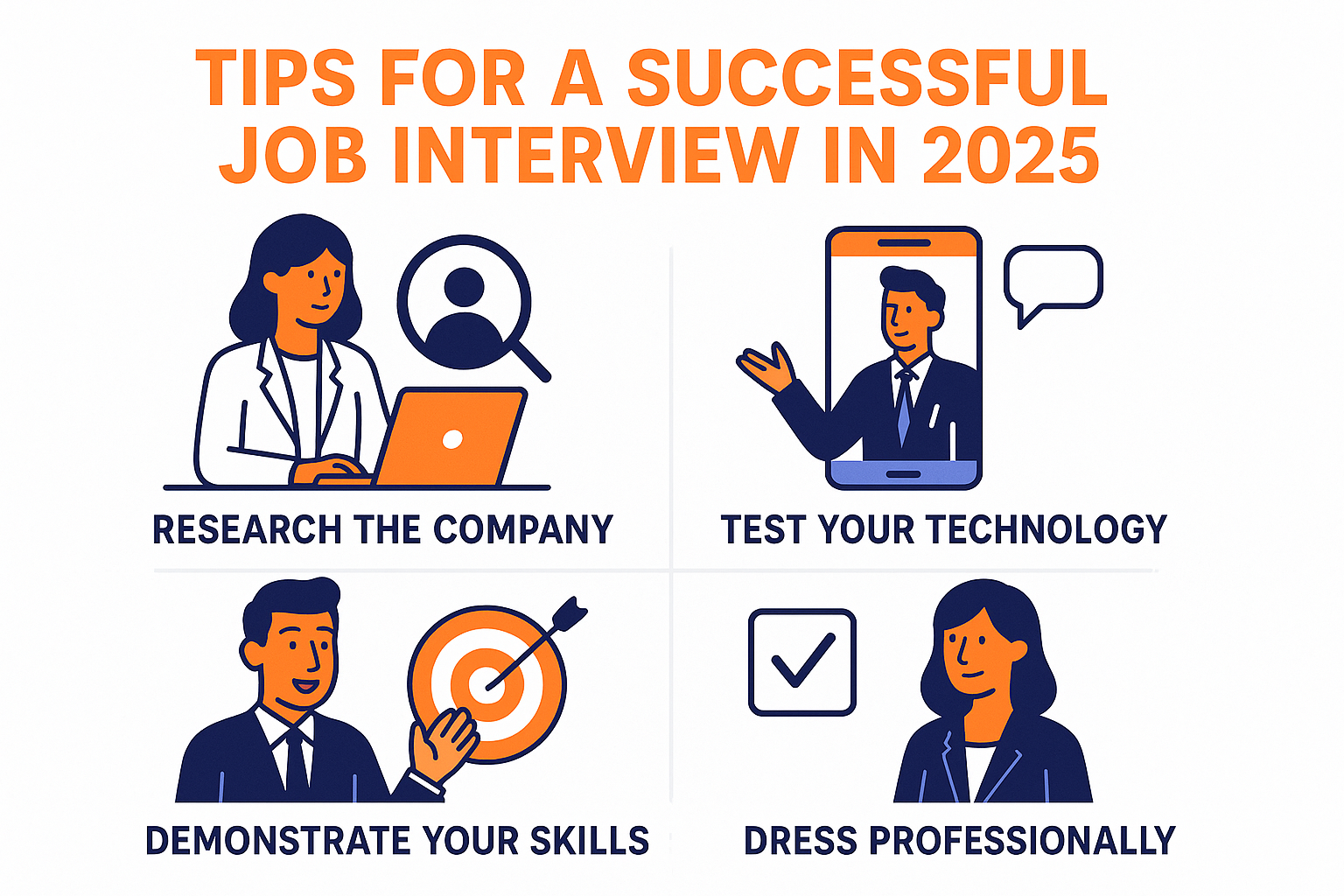
Preparation is still the foundation of interview success. Before your interview, research the company’s mission, values, recent achievements, and the specific department or team you are applying to. Look at the company’s website, recent press releases, and LinkedIn updates to understand what matters most to them right now.
This knowledge helps you align your answers with the company’s goals and demonstrate that you are already thinking like a member of their team. For example, if a company is expanding its sustainability efforts, you could mention how your skills or past projects contribute to environmental responsibility.
According to PRNewswire, 88 percent of hiring managers said candidates who show a clear understanding of the company’s background are significantly more likely to receive a job offer. In short, research shows genuine interest, and genuine interest builds trust.
2. Prepare Thoughtful Questions
An interview should feel like a conversation, not an interrogation. Employers appreciate candidates who show curiosity and engagement. Preparing a few thoughtful questions ahead of time demonstrates that you care about the opportunity and are evaluating whether it aligns with your own goals.
For example, you could ask:
- “What qualities do your most successful employees have in common?”
- “How does this role contribute to the company’s long-term objectives?”
- “What are the key challenges this team hopes to overcome in the next year?”
Such questions turn an interview into a dialogue and help you better understand whether the role is a good fit for you as well.
Phone Interviews
Phone interviews often serve as the first step in the hiring process. Although they may seem more relaxed, they are just as important as any in-person meeting. This is your chance to make a strong first impression and set the stage for future interviews.
1. Prepare Your Environment
Find a quiet location where you can speak without interruptions. Eliminate background noise from televisions, notifications, or household activities. Keep your resume and any relevant notes nearby in case you need to reference specific experiences or achievements.
If you share your space with others, inform them about your interview time so you will not be disturbed. Even small distractions can break your focus and make you sound less confident.
2. Practice Common Questions
Most phone interviews begin with a few standard questions such as:
- “Tell me about yourself.”
- “Why are you interested in this role?”
- “What makes you qualified for this position?”
Rehearse your answers in advance, focusing on keeping them concise and engaging. Since the interviewer cannot see your body language, your words need to do most of the work. Use clear and confident language to describe your experience and accomplishments.
A good rule of thumb is to answer in about one to two minutes per question, keeping responses structured but natural.
3. Mind Your Tone
Your tone of voice carries more meaning than many people realize. Without visual cues, the interviewer forms an impression entirely based on your voice. Speak slowly and clearly, and try smiling while you talk. Smiling changes your tone, making you sound more positive and enthusiastic.
According to Albert Mehrabian, a popular psychologist, 38 percent of communication impact comes from tone alone. So, even if you cannot rely on facial expressions or gestures, your vocal energy can still convey confidence and enthusiasm.
Video Interviews
Video interviews have become an essential part of hiring. According to LinkedIn’s 2025 Workplace Report, 73 percent of employers now conduct at least one video interview during the hiring process. This format combines the convenience of remote communication with the visual cues of an in-person meeting.
1. Test Your Technology
Nothing disrupts an interview faster than technical issues. Test your camera, microphone, and internet connection ahead of time. Schedule a brief test call with a friend or family member to ensure everything works smoothly. Adjust your lighting and camera angle to appear professional and well-prepared.
Log in at least five minutes early. This buffer allows you to troubleshoot any last-minute glitches before the interview begins. Being punctual also sends a message that you are organized and respectful of the interviewer’s time.
2. Set the Scene
Your background should be clean, quiet, and distraction-free. Choose a neutral space such as a desk area or plain wall. Remove clutter and anything that might draw attention away from you. Lighting is also important; natural light from the front or side works best, but a soft lamp can help if natural light is not available.
Consider using headphones or earbuds with a built-in microphone to improve sound clarity. Clear audio helps ensure that both sides can communicate comfortably, creating a smoother experience overall.
3. Practice and Review
Even though you are not in the same room, maintaining strong presence on video is crucial. Practice sitting upright, maintaining eye contact with the camera, and using small gestures to show engagement. If possible, record yourself and review the playback to check your facial expressions and pacing.
Ask a friend or mentor to conduct a mock interview and offer constructive feedback. This kind of preparation helps calm nerves and improves your confidence during the actual interview.
In-Person Interviews
Despite advances in virtual hiring, in-person interviews remain one of the most meaningful stages of the hiring process. Meeting face-to-face allows employers to evaluate not only your qualifications but also your personality and interpersonal skills.
1. Dress Professionally
Your appearance creates an immediate impression. Choose attire that reflects professionalism while matching the company’s culture. For example, a corporate office may require a formal suit, while a creative agency might expect business casual. Regardless of dress code, ensure your clothes are clean, pressed, and well-fitted.
A 2024 FlairHR survey revealed that 71 percent of employers believe a candidate’s attire affects their first impression. Dressing professionally communicates respect for both the company and the opportunity.
2. Project Confidence
Confidence does not mean arrogance. It means presenting yourself with self-assurance and calm energy. Maintain eye contact, sit up straight, and greet your interviewer with a genuine smile and a firm handshake. Take deep breaths if you feel nervous. Remember, being invited to interview means the company already believes you could be the right fit.
3. Speak Clearly and Stay Engaged
Nerves can cause people to rush through their answers. Instead, speak at a steady pace and pause briefly between sentences to organize your thoughts. This not only makes your answers clearer but also shows poise and professionalism.
Pay attention to the interviewer’s nonverbal cues as well. Nodding or leaning forward can signal interest, while taking brief notes can help you remember key discussion points for your follow-up message later.
Conclusion
The job interview process in 2025 may look more complex than before, but the fundamentals of success have not changed. Preparation, authenticity, and confidence remain the cornerstones of a great interview.
Employers today are using advanced technology to find candidates who combine technical skills with strong communication, adaptability, and emotional intelligence. According to a recent LinkedIn study, soft skills such as communication, problem-solving, and teamwork are now among the top three qualities hiring managers seek when selecting new employees.
By investing time in preparation, creating a professional environment, and practicing how you present yourself, you can confidently approach any interview format phone, video, or in-person. Every interaction is an opportunity to demonstrate your value and enthusiasm for the role.